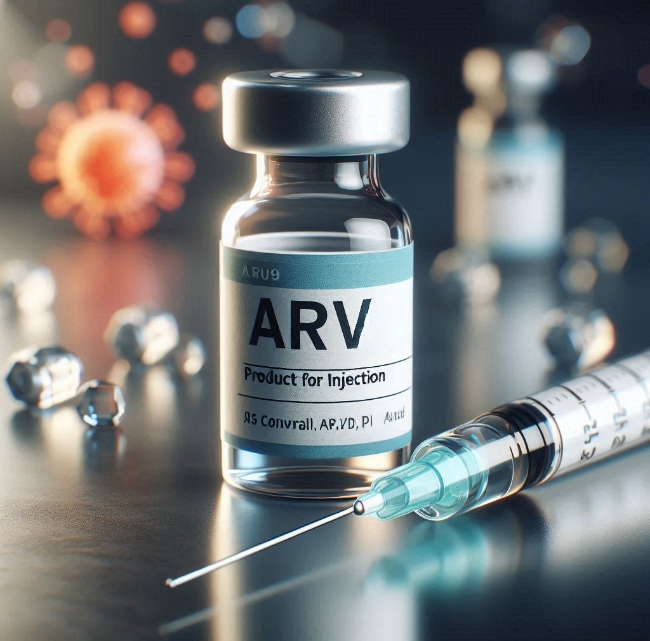
Injectable ARV

Long-acting injectable antiretrovirals: a promising innovation for HIV prevention and treatment

Introduction Long-acting injectable ARVs are a major breakthrough in HIV prevention and treatment. They are used as pre-exposure prophylaxis for HIV-negative people, particularly those at high risk of contracting HIV, and as light therapy for people living with HIV with stable virological suppression  on antiretroviral treatment. By reducing the frequency of doses taken, this therapy…
OIG Audit: A Review of the Global Fund’s Grant Monitoring

In May this year, the Office of the Inspector General (OIG) published an audit report of the Global Fund’s approach to grant monitoring. The report outlines achievements and areas with gaps, emphasising the importance of effective grant oversight for desired programmatic impact in the fight against HIV, TB, and malaria. Grant Monitoring Grant monitoring is…

Addressing the dual epidemics in fragile settings: HIV and gender-based violence in Africa

On 29th August 2024, UNAIDS released a new report titled “The Missing Link: Rethinking and Reprioritizing HIV and Gender-Based Violence in Fragile Settings“. The report explored the interlinkages between HIV and gender-based violence (GBV) in fragile settings, particularly in the context of peace support operations. The highlights in the report include challenges and gaps in…

Jeunes, maladie pédiatrique

Youth-Led Solutions: Engaging Young People in the Fight Against HIV, TB and Malaria

Overview According to UNESCO’s 2020 World Youth Report, there are 1.2 billion people in the 15-24 age group, representing 16% of the world’s population. In 2019, about 230 million young people (aged 15 to 24 years) were living in Africa, representing around 19% of the world’s youth population. If we include young people under the…

African Constituency Bureau

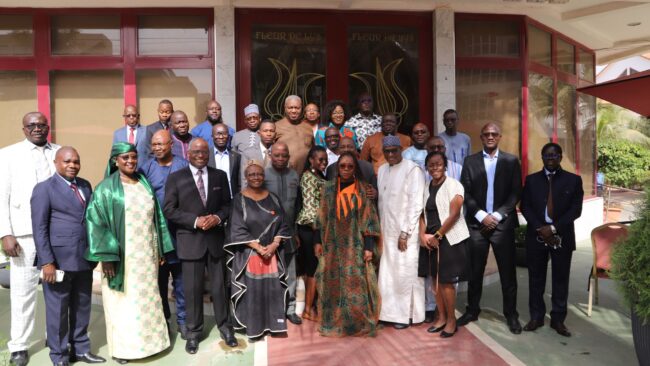
Prospects for the Sustainability of Global Fund Grants

A meeting of the Cluster-Based Learning Network (CBLN) of the African Constituency Bureau (ACB) for West and Central Africa (WCA) was held in Dakar, Senegal on 12 – 14 December 2023. It brought together 12 countries from West and Central Africa (Benin, Burkina-Faso, Côte d’Ivoire, Ghana, Guinea-Bissau, Mali, Niger, Nigeria, DRC, Senegal, Chad and Togo)…

Community, Rights and Gender, women

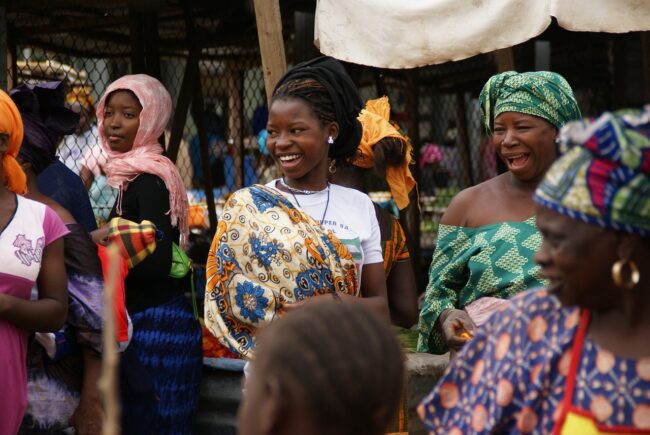
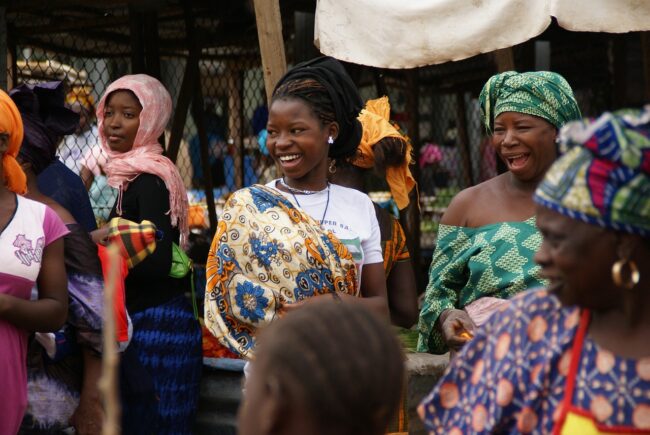
Catalyzing Change: Breaking Barriers and Building Bridges for Community, Rights, and Gender Equality

Community, Rights and Gender (GRC) discussions share many similarities with those on HSS: progress is often slow and non-linear. Our partnership’s three-year cycle and Key Performance Indicators system that work so well for our biomedical approach to fighting diseases appear ill-suited for the complex tasks of changing minds or century-old attitudes and behaviours. Societal changes…

Malaria Mosquitoe

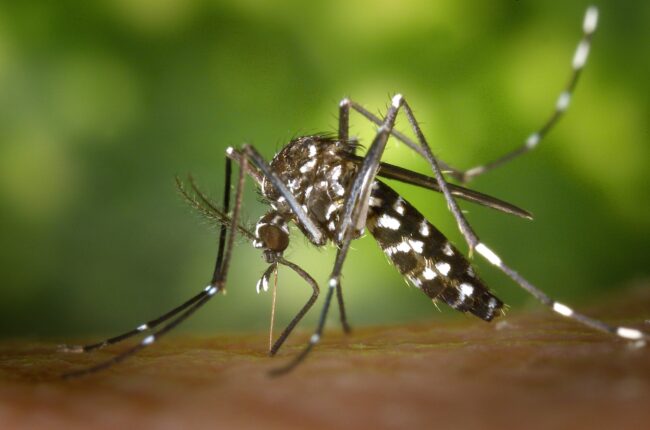
Unleashed Fury: Climate Change’s Assault on Health and the Battle Against Malaria

Climate Change represents a profound threat to achieving the Global Fund’s mission and to the vulnerable countries, communities and people at the center of its strategy. 71% of Global Fund resources support the 50 most climate-vulnerable countries and 87% of the global malaria burden and Global Fund allocations for malaria are in these climate-vulnerable countries.…