“Unequal access to income and opportunity not only creates unfair, distorted and unhappy societies, it literally kills people.”

The fight against HIV, TB and malaria is very often focused on an exclusively hygienic, therapeutic or biomedical approach. This paper does not question the interest or the relevance of such an approach, but it suggests that we should resolutely broaden the scope of this fight to the borders of social inequalities. Actually, health as…

A commentary of The Global Fund Technical Evaluation Reference Group on primary HIV prevention efforts

Globally, new HIV infections declined by 44% between 2000 and 2021, missing the global target for a 75% reduction in new infections by 2020. The Global Fund Technical Evaluation Reference Group (TERG) published a thematic review on primary HIV prevention, in May 2021 to weigh in on discussions for the 2023-28 Global Fund Strategy. This…

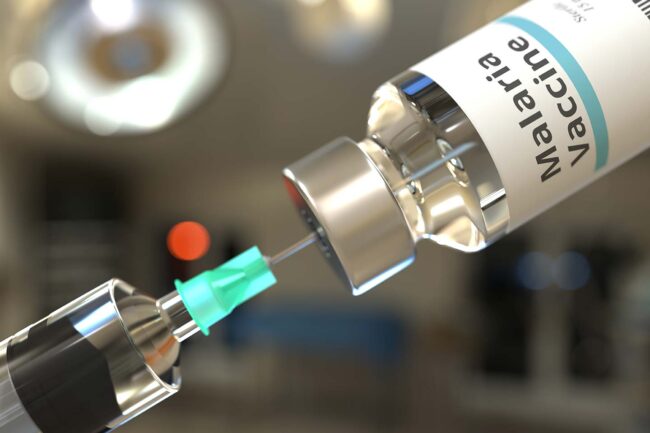
Towards ending Malaria in the sub-Saharan Africa: Is the RTS, S Malaria Vaccine really a game changer?

Introduction The WHO declaration of RTS, S malaria vaccine on 6th October 2021 for extensive use among children in sub-Saharan Africa has been hailed as a “game changer” towards eliminating malaria burden by 90% by 2030.  “This long-awaited malaria vaccine is a breakthrough for science, child health and malaria control,” said WHO director-general Tedros Adhanom…

The African Constituency Bureau Discusses with TB High Burden Countries the Global Fund Disease Split and The TB Fight

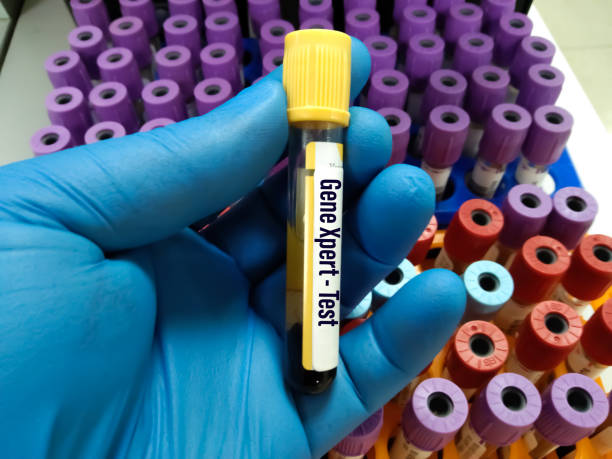
The ACB has engaged in technical discussions with country implementers and CCMs of six countries with high burden of TB, HIV/TB and MDR-TB in Africa burden countries to better understand their situation and potential solutions on how to reduce TB burden without affecting malaria and HIV programs negatively. Countries involved in these discussions that were held virtually on 26th August 2021 are [1]Kenya, Nigeria, Sierra Leone, Tanzania, Zimbabwe and South Africa. The input of these countries and other ongoing consultations will help determine a position that reflects the possible variety of situations across the 46 countries of both our ESA and WCA constituencies.