WCA and ESA constituencies approved the qualitative adjustment with comments : Discover why…

The Global Fund to fight HIV, TB and malaria invest in countries following a step-by-step process. It decides on the Global Disease Split using epidemiology and income category to obtain a formula-derived allocation per country. Then, the Global Fund conducts “qualitative adjustments”. What is the qualitative adjustment? Qualitative adjustments are refinements to formula-derived amounts (FDAs)…

Details

Discussing the challenging operating environment policy with stakeholders in the affected countries

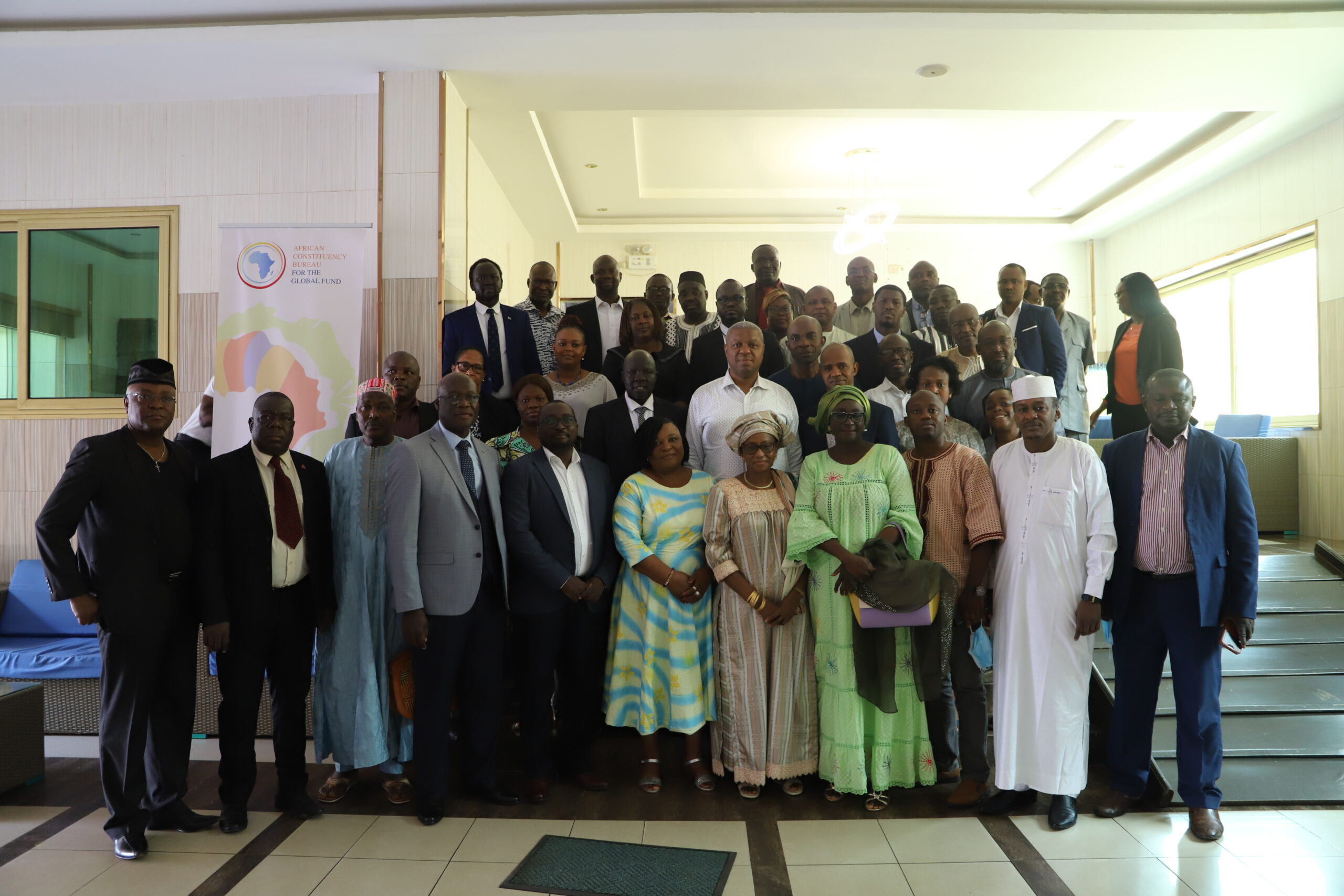
The two-day meeting that brought together 32 delegates from 13 countries classified as Challenging Operating Environments  (COE) by the Global Fund has come to a close. The meeting, organized by the African Constituency Bureau, was launched on June 22 in Lomé (Togo) by Mrs. Zoutéhatou Kassah-Traoré, Minister of Public Works and Chairperson of the Country…

Details

Global Fund Policy Corner: Challenging Operating Environments

The following information is taken primarily from the Challenging Operating Environment Policy   published in English and French on the Global Fund website What is it all about?  Challenging operating environments are countries or regions characterized by: Weak governance; Poor access to health services; and Man-made or natural crises. How is a country classified as a…

Details

African Constituencies convene to discuss the Global Fund’s 47th board meeting background papers

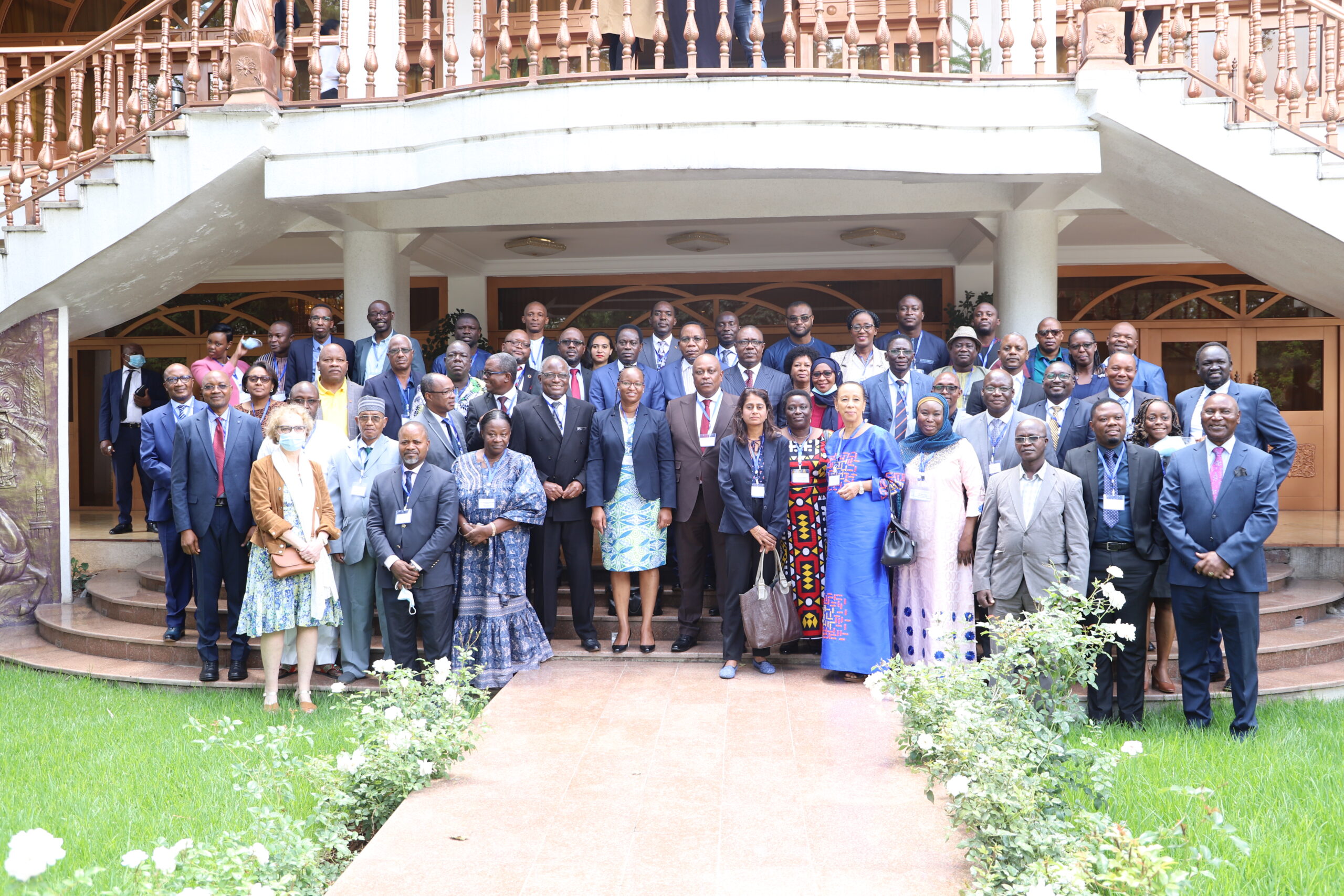
The Annual Consultative Meeting of the Global Fund’s African Constituency Bureau is the opportunity to bring together the 46 countries of the African constituencies to exchange views on the policy issues which are the topics for discussion on the agenda for the Global Fund Board Meeting. This year is special. The African Constituency Bureau is celebrating…

Details

Concern in Africa about Artemisinin-Resistant Malaria

This resistance, already reported in some countries of the continent, simply translates into longer recovery time. But it is feared that in the long term, it might cause the treatment to become totally ineffective. Malaria experts are concerned about the increasing resistance of the malaria pathogen Plasmodium falciparum to artemisinin-based combination therapies (ACTs), the only…

Details