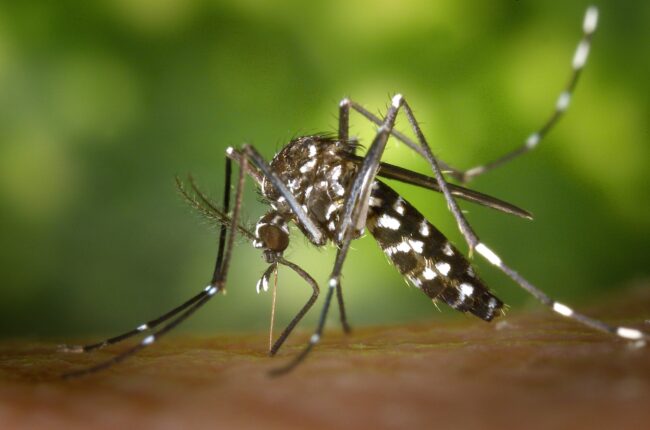
Malaria Mosquitoe

Combatting Malaria in Africa: African Constituency Bureau’s vital role and country experiences

On 4th of June 2024, the African Constituency Bureau organized a webinar, “Empowering Africa: Collaborative Malaria Actions”. In all, 85 participants across the African constituencies and the technical partners gathered to deliberate on the malaria. The meeting shared innovative approaches, technologies, and interventions that have contributed to advancing malaria control and elimination efforts in some…
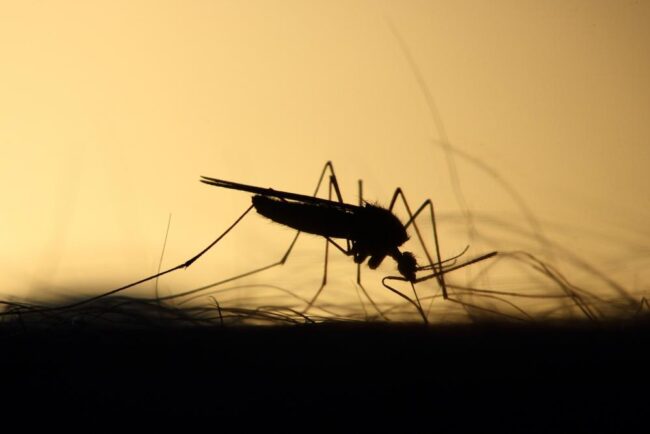
Malaria Mosquitoe

Unleashed Fury: Climate Change’s Assault on Health and the Battle Against Malaria

Climate Change represents a profound threat to achieving the Global Fund’s mission and to the vulnerable countries, communities and people at the center of its strategy. 71% of Global Fund resources support the 50 most climate-vulnerable countries and 87% of the global malaria burden and Global Fund allocations for malaria are in these climate-vulnerable countries.…

Reflecting on the Past, Envisioning the Future: Global Fund Grant Cycle 7

The scenario on HIV, Tuberculosis and Malaria (HTM) in Africa indicates that among the three diseases, HIV has the lowest gap to attain the Sustainable Development Goal 2030 target. However, although there has been very strong progress in reducing AIDS-related deaths in countries supported by the Global Fund, progress is mixed, varying significantly between regions.…

Charting the Path Forward: Reflecting on The Future of Global Health Initiatives at the Wilton Park Dialogue

Over the past few decades, Global Health Initiatives (GHIs) have made significant contributions to remarkable advancements in safeguarding lives and enhancing the overall well-being of people worldwide. Their achievements include substantial progress in combating specific diseases such as polio, malaria, tuberculosis, and HIV/AIDS, as well as expanding the reach of targeted healthcare interventions like vaccination…

“Unequal access to income and opportunity not only creates unfair, distorted and unhappy societies, it literally kills people.”

The fight against HIV, TB and malaria is very often focused on an exclusively hygienic, therapeutic or biomedical approach. This paper does not question the interest or the relevance of such an approach, but it suggests that we should resolutely broaden the scope of this fight to the borders of social inequalities. Actually, health as…